
Top Benefits of Using Fiber Converters in Modern Network Infrastructure
—Tue 06, 2026—
Modern networks require speed, reliability, and flexibility to support growing data demands. From broadcast environments to enterprise IT systems, organizations rely on high-performance infrastructure to keep operations running smoothly. One technology that plays a major role in this process is fiber converters. These devices allow networks to connect fiber optic cables with traditional copper-based systems, making it easier to upgrade infrastructure without replacing entire networks. At MultiDyne, we design advanced networking solutions that help organizations improve performance while maintaining compatibility with their existing systems.
Why Fiber Converters Matter in Modern Networks
As businesses continue to expand their digital capabilities, network traffic increases significantly. Video streaming, cloud computing, remote collaboration, and data-intensive applications all require strong network infrastructure.
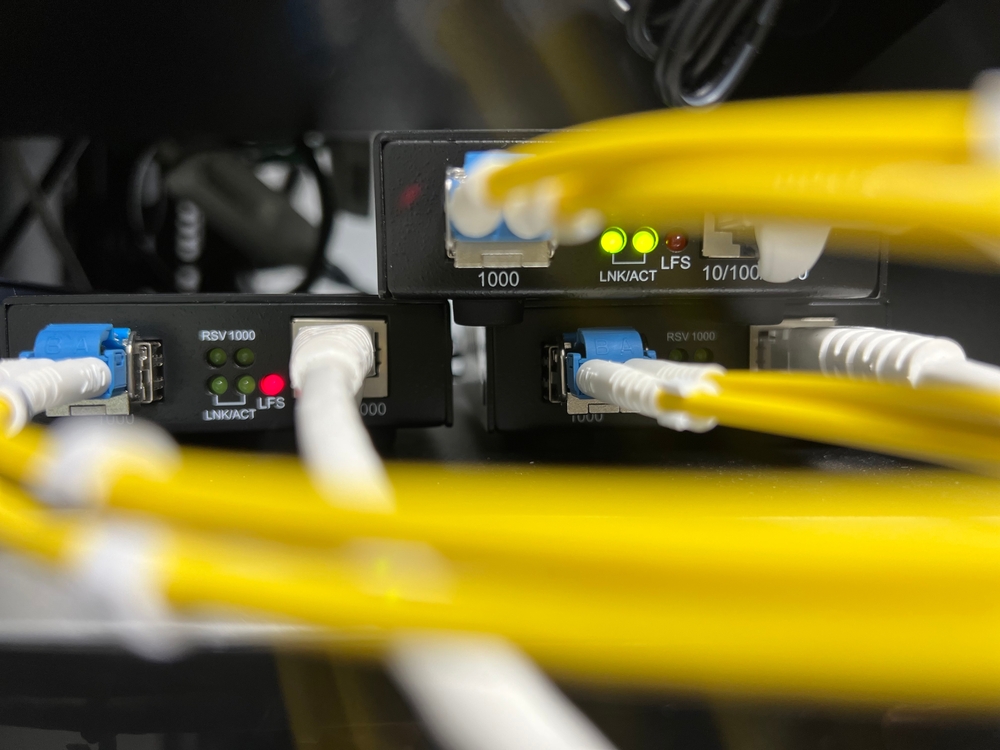
Fiber converters help bridge the gap between fiber optic technology and copper-based equipment. Instead of forcing organizations to replace all of their hardware at once, these devices allow systems to integrate both technologies seamlessly.
This flexibility makes fiber converters an important part of modern networking strategies. They allow companies to gradually transition to faster fiber networks while still using existing devices and infrastructure.
In many industries, including broadcasting, telecommunications, and enterprise IT, fiber converters provide an efficient way to expand network capacity without major disruptions.
The Growing Demand for High-Speed Networking
Digital transformation is driving rapid growth in networking technology. Businesses rely on fast and reliable data transmission to support daily operations, making high-performance infrastructure more important than ever.
According to Verified Market Reports, the IP Gateway Market Revenue was valued at USD 1.2 Billion in 2024 and is estimated to reach USD 2.5 Billion by 2033, growing at a CAGR of 9.2% from 2026 to 2033.
This rapid expansion highlights the importance of networking technologies that can support higher speeds and increased data flow. Fiber converters play an important role in helping organizations meet these growing connectivity demands.
Key Benefits of Fiber Converters
Fiber converters offer several advantages that make them valuable in modern network environments.
Improved Network Distance
One of the biggest benefits of fiber converters is their ability to extend network distances. Copper cables have distance limitations, typically around 100 meters. Fiber optic cables, however, can transmit data over several kilometers without signal loss.
By using fiber converters, organizations can connect distant buildings, campuses, or facilities while maintaining strong network performance.
Higher Data Speeds
Fiber optic technology supports significantly higher bandwidth than traditional copper networks. When systems incorporate fiber converters, they gain the ability to transmit large amounts of data quickly and efficiently.
This is particularly important for industries that rely on high-resolution video, real-time data transfer, or large file sharing.
For example, professional broadcast environments often depend on fiber converters to ensure that video signals travel long distances without losing quality.
Cost-Effective Network Upgrades
Completely replacing an existing network infrastructure can be expensive and time-consuming. Fiber converters provide a practical solution by allowing organizations to upgrade gradually.
Instead of replacing every device and cable, companies can integrate fiber technology alongside their existing equipment. This hybrid approach saves both time and money while still improving network performance.
Scalability for Growing Organizations
As businesses grow, their networking needs evolve. New devices, increased data traffic, and expanding facilities require infrastructure that can scale easily.
Fiber converters allow networks to expand without requiring major redesigns. By integrating fiber connectivity into existing systems, organizations can add new equipment or extend their networks when needed.
For example, large campuses, stadiums, and broadcast facilities often use fiber converters to connect multiple buildings or departments across long distances.
This scalability ensures that networks remain flexible and capable of supporting future growth.
Enhanced Reliability and Signal Quality
Reliable data transmission is critical for many industries. In broadcasting and media production, even small signal disruptions can affect operations.
Fiber optic cables are resistant to electromagnetic interference, which means they provide cleaner and more stable signal transmission compared to copper cables. Fiber converters help take advantage of this reliability by enabling fiber connections within existing systems.
Because of this improved signal quality, fiber converters are often used in environments where consistent performance is essential, such as broadcast studios, live production facilities, and telecommunications networks.
By incorporating fiber converters into network infrastructure, organizations can reduce signal loss and maintain consistent connectivity.
Applications of Fiber Converters Across Industries
Fiber converters are used in many different industries because they support a wide range of networking needs.
Broadcasting and Media Production
Broadcast systems often require long-distance signal transmission between cameras, control rooms, and production equipment. Fiber technology helps maintain signal quality across these distances.
Many broadcasters rely on fiber converters to connect fiber optic links with traditional broadcast equipment.
Enterprise IT Networks
Large organizations frequently operate across multiple floors or buildings. Fiber converters help extend network connectivity while maintaining fast data speeds.
Security and Surveillance Systems
Modern surveillance systems transmit large amounts of video data. Fiber connections supported by fiber converters allow security systems to transmit footage reliably across long distances.
Telecommunications Infrastructure
Telecommunication providers depend on fiber networks to deliver high-speed internet and communication services. Fiber converters help integrate legacy systems with modern fiber technology.
These diverse applications demonstrate how versatile fiber converters can be in modern infrastructure.
Choosing the Right Fiber Converters
Selecting the right equipment is essential for building a reliable network. Different environments require different features depending on the type of data being transmitted and the distance involved.
When evaluating fiber converters, organizations should consider factors such as:
- Network speed requirements
- Compatibility with existing equipment
- Transmission distance
- Reliability and durability
High-quality fiber converters provide stable performance, strong signal integrity, and easy integration with existing network systems.
At MultiDyne, we specialize in designing networking solutions that meet the demanding needs of modern infrastructure. Our technology helps organizations maintain reliable connectivity while supporting future network growth.
The Future of Network Infrastructure
As technology continues to evolve, networks must support increasing data volumes and faster communication speeds. Fiber optic technology will continue to play a major role in this transformation.
Fiber converters will remain an important tool for organizations transitioning to fiber-based networks. By allowing legacy systems to work alongside modern fiber infrastructure, these devices provide a practical and efficient upgrade path.
Businesses that invest in reliable networking technology today position themselves for stronger performance and scalability in the future.
Contact Our Team
If your organization is looking to improve network performance and reliability, our experts at MultiDyne are here to help. We provide advanced networking solutions designed to support modern infrastructure across broadcasting, enterprise, and telecommunications environments.
Our team can help you identify the right technology for your network and ensure seamless integration with your existing systems.
To learn more about our solutions or discuss your networking needs, we invite you to contact our team today. MultiDyne is committed to helping organizations build stronger, faster, and more reliable networks.